
“To care for those who once cared for us is one of the highest honors.” – Tia Walker
“Respect your elders” – it’s one of those key lessons we’re taught as children. One would hope it holds true in healthcare; that senior patients receive respectful care that allows them dignity and comfort as they experience increasing medical needs. But is it true?
Seniors are vulnerable in so many ways, from struggling to afford expensive medication to being abused by care workers. While providing sensitive, quality care is the baseline of good elder care for all patients, caring for Native seniors requires a special level of awareness. Consider that…
- 78% of Native Americans live off reservation. Native patients – including elders – aren’t confined to Indian Health Service and Tribally operated facilities. They can show up in any hospital or clinic….
- …. Where culturally responsive care is going to produce the best clinical outcomes and the deepest rapport with their nurses. That doesn’t mean nurses have to already know the traditions and background of the patient’s tribe. It does mean showing cultural humility and listening to the patient and their family.
- Native Elders have lived through decades that include abusive boarding schools, forced sterilization, environmental poisoning, and state-sanctioned discrimination. Some had parents who were alive before Native people were deemed citizens in 1924. Some had grandparents who grew up in families directly impacted by the Trail of Tears. They are survivors of traumas most of us can’t imagine.
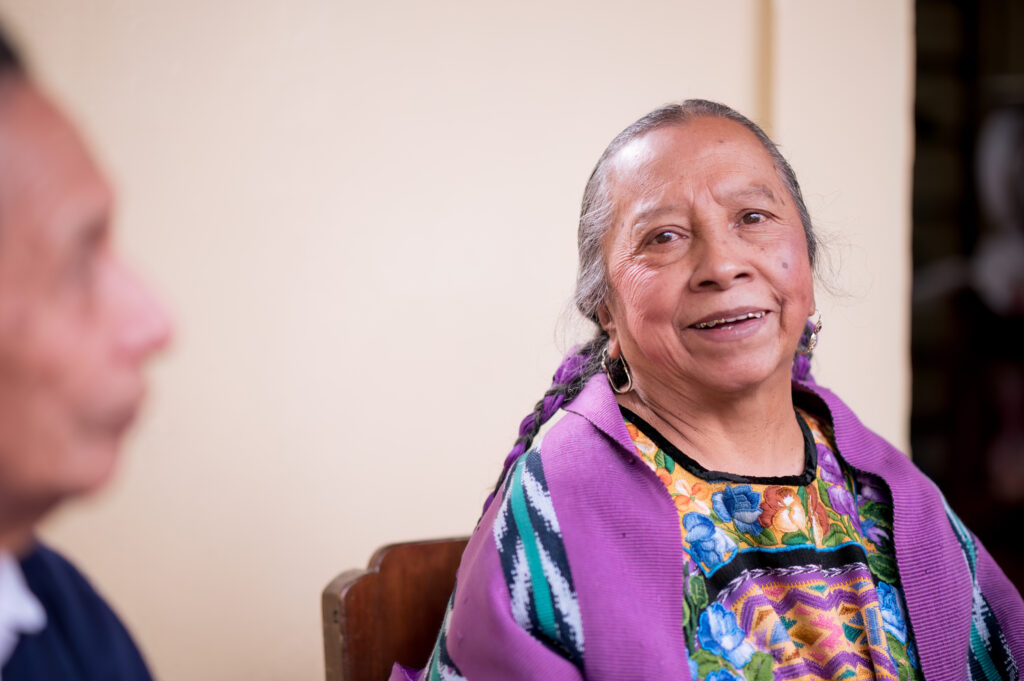
Care Gaps for Native Elders
Native Americans die at higher rates from chronic liver disease, diabetes, suicide, and other diseases than the general U.S. population – making local, high-quality specialty care a must for elders. Yet Indian Health Service (IHS) and Tribally operated facilities often suffer from staff shortages and limited equipment.
Skilled nursing home facilities and hospice care in Tribal communities are also sparse – as are facilities offering physical and occupational therapy. In one case, an elderly Native woman who needed therapy after a hip fracture was asked to transfer to a facility off the reservation. She refused to go, concerned about the treatment she would receive there. This is a common concern, as Native seniors seeking treatment from non-Tribal healthcare systems are likely to be treated by health providers who don’t understand their cultural background.
4 Healthcare Practices for Better Elder Outcomes
Given that almost every American hospital, clinic, or skilled nursing facility will treat Native elders at some point, all providers should be familiar with culturally competent geriatric care – even if they’re never within a hundred miles of a reservation.
The following four practices can go a long way to elevating outcomes and helping Native elders receive compassionate care.
Practice trauma-informed care.
Providers don’t have to be experts in the impact of generational trauma on patient health, but they should have a basic grasp of the genocide committed against Native tribes and the legacy of abusive boarding schools. Hospitals that offer training on this topic can deepen staff’s ability to provide a more insightful and culturally responsive patient experience for Native elders.
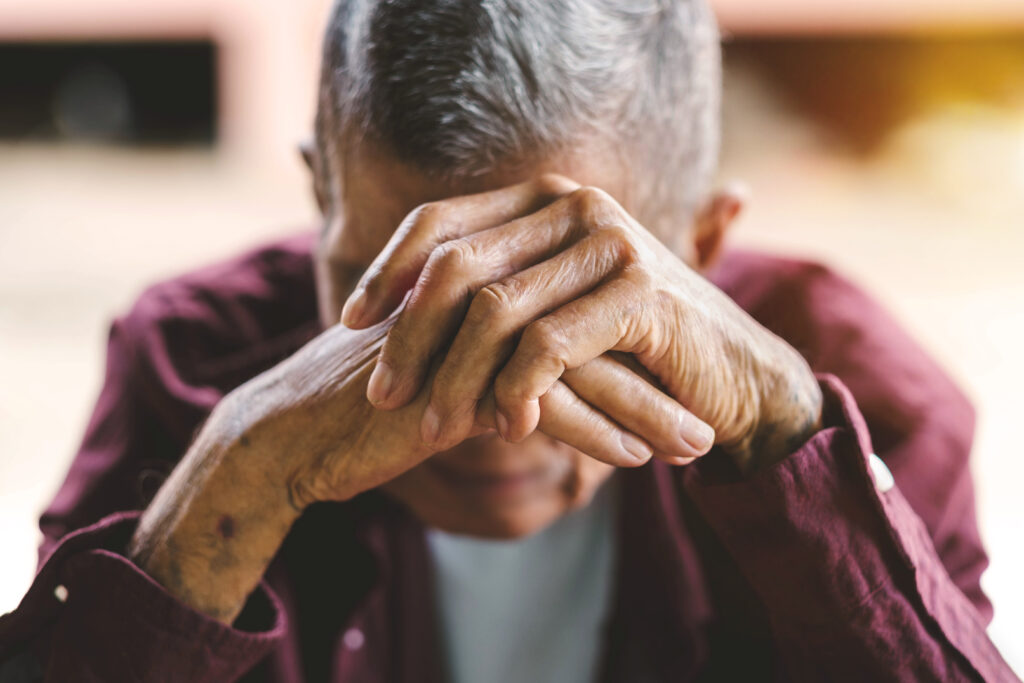
Provide cultural-centric services.
Each Tribal nation has their own traditions, religious beliefs, language, and culture – and many beliefs and teachings are passed down orally. To help patients feel comfortable, facilities can consult with cultural workers found in most Tribal nations to recommend specific practices and etiquette standards.
A few tips:
- If your facility regularly serves Native patients, invite a medicine man in to bless the facility.
- Expect some Native elders to pair clinical treatment with traditional healing ceremonies. Some Native elders are Christian and may request a visit from their minister or priest.
- If families do conduct a healing ceremony in the facility, ask if they prefer privacy. These ceremonies might involve sacred objects, smudging a patient with tobacco, sage, or sweet grass, or using chants and songs with drums or rattles.
- Hearing is often the final sense that remains before death. Native elders may feel comforted by listening to recordings of Tribal singers.
- Death traditions will vary, so ask the family about theirs before moving the body. They may reject embalming or choose ceremonial objects to honor their loved one.
Ask questions.
So often staff are afraid to ask questions about Native traditions – but trust us, families won’t think it’s rude at all! Asking well-intended questions demonstrates a respect for patient needs. If your team is upfront about the limits of their knowledge, Native elders and their families are more likely to trust their sincerity and intent to offer a comfortable experience.
Listen to patients and their families.
Native patients can tell you many stories about being degraded and ignored by clinicians. Set the stage right upfront and ask senior patients and their families about their preferences and anything that should be avoided – then accommodate those wishes as much as possible. Explain any conflicts right away so the family isn’t blindsided.
When speaking to families and patients, be sure not to rush them through the conversation. That’s a common complaint with Native families. Give them time to express their thoughts; show you value their input.
Rising to a Higher Standard of Elder Care
Growing old isn’t easy. Native elders deserve the clinical resources and cultural connection other American seniors take for granted so they can age with comfort and dignity. That may involve a learning curve for the healthcare industry, but it’s one that’s long overdue.

2 Responses
To whom this may concern,
I hope this email finds you well. My name is Tehani Waahila, and I proudly represent the Navajo Nation as the Health Equity Trainings and Programs Associate at the Southwestern Colorado Area Health Education Center (SWCAHEC) in Durango, CO. Our organization, SWCAHEC, is dedicated to promoting diversity within the healthcare workforce across Southwestern Colorado.
As part of our ongoing efforts, we are currently focusing on providing culturally relevant training for healthcare professionals. We believe that understanding and addressing the unique cultural needs of our Native Elders and their families is crucial in providing effective and compassionate care. Therefore, we are seeking individuals who are certified and experienced in delivering presentations that emphasize the necessity of culturally competent services in healthcare settings. Your insights and recommendations on potential presenters would be invaluable as we strive to enhance the quality of care for our Native communities.
I find that Native American Eldercare under a culturally curated lens can better our health professionals to care for our Elders and their families and make an intriguing learning experience.
Thank you for your time and consideration and I hope to hear back from you soon.
Ahe’hee’/Mahalo (Thank You),
Tehani Waahila
Health Equity Training and Programs Associate
Southwestern Colorado Area Health Education Center
701 Camino del Rio, Suite 320
Durango, Colorado 81301
970-426-4284, office
Tehani.waahila@swcahec.org
http://www.swcahec.org
Would love to read more!