

Our new Clinician Spotlight shines on Craig Spoon, a Nurse Practitioner praised for being a fantastic colleague as well as his devotion to the patient experience. “Craig is always very responsive to requests, whether he is working, travelling or taking time at home,” says Pamela Amiotte. “He picks up a high number of shifts in Pine Ridge per month and never misses a beat.”
Hi Craig! Let’s start with this: How did you get into medicine?
I started my career in healthcare as a paramedic at Grady Memorial Hospital, home to one of the oldest EMS systems in the country. During that time, I was also working as a firefighter and engineer. A close friend and I eventually realized we needed a long-term path forward—we felt we were either going to burn out or spend our lives chasing the same cycle—so I decided to continue my education and pursue medicine further.
I became a registered nurse and worked in nursing for approximately six years because, at that time, nurse practitioner programs required at least three years of direct patient care experience before admission. After working at Atlanta Medical Center, I relocated to Coeur d’Alene, Idaho, where I served as a charge nurse.
Next I returned to Georgia, where I completed my Master’s degree at Maryville University. I became a nurse practitioner in 2016 – originally intending to work with TeamHealth.
Most of my clinical experience has been in emergency medicine. I also completed family medicine training in conjunction with my ER residency. After spending about six years in emergency medicine, I transitioned into orthopedics for roughly three years while continuing to evaluate where I wanted to take my career long term.
Sure, that makes a lot of sense. Since you’ve done so many things, you definitely have room for comparison. What’s your favorite part of your job?
What I enjoy most is meeting new people every day. I’ve always been fascinated by what brings someone into the emergency room—often the worst moment of their day. In those moments, you quickly learn a great deal about people and their lives. Human behavior and personal stories have always fascinated me.
In terms of joining up with Tribal Health, what motivated you there?
Like most career decisions, financial opportunity played a role, but I was also looking for a change from the traditional ER environment in Georgia. I wanted to experience something different culturally and professionally.
Working within Native and Indigenous communities interested me because I wanted to better understand their lifestyle, healthcare challenges, and the systems surrounding community-based medicine. Tribal Health gave me the opportunity to step outside the typical ER setting and experience healthcare through a different lens.
Do you enjoy working in Indigenous communities?
Absolutely. In many ways, it connects back to the beginning of my medical career at Grady Memorial Hospital, which serves one of the largest underserved populations in the country. I’ve always been drawn to caring for communities that face financial and healthcare barriers, and many Indigenous communities face similar challenges. That aspect of medicine has always been meaningful to me.
So let me ask you this, because I know it can get pretty tough on the job. How do you stay motivated when things are tough or challenging?
I try to take things one moment at a time and stay focused on what’s directly in front of me rather than dwelling on the difficult aspects of the job. Maintaining perspective and composure is essential – especially in emergency medicine.
And what about when you get home or when you’re with your fiancée? How do you like to relax and recharge?
I enjoy cooking and trying new foods. Cooking for my fiancée is one of the ways I unwind. We enjoy relaxing together, having good conversations, and simply enjoying each other’s company. She’s truly my best friend.
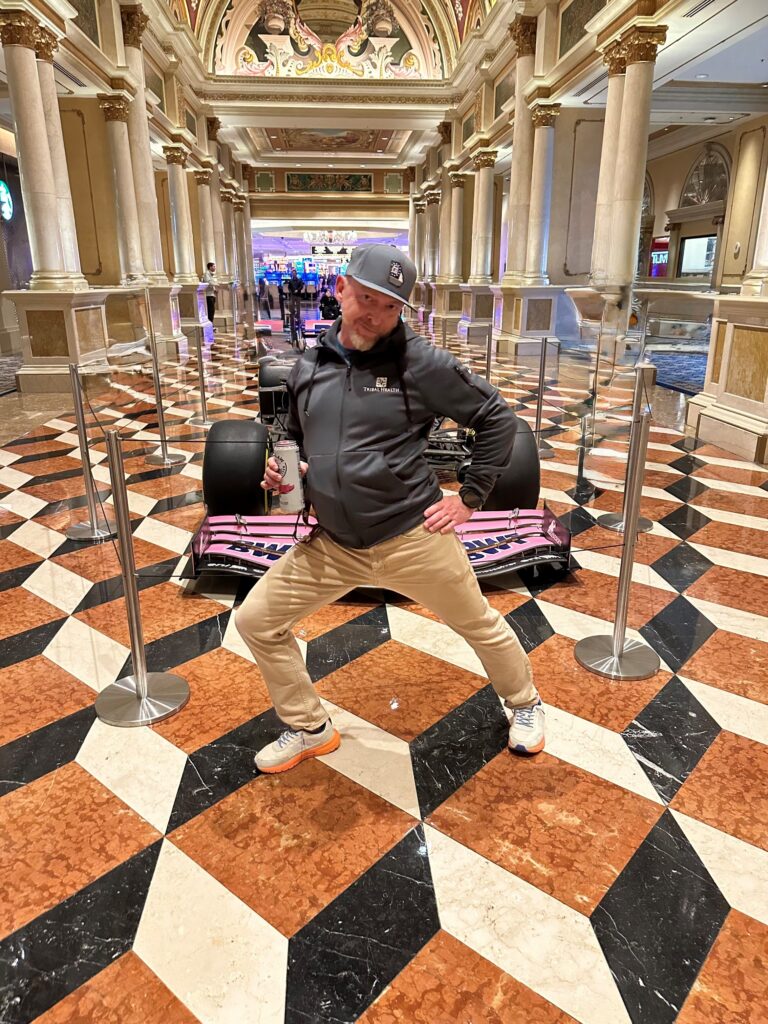
I also enjoy gambling recreationally. Oddly enough, I find it relaxing because it’s completely different from the structure and intensity of medicine. It gives me the opportunity to meet new people, socialize, and step away mentally from the demands of healthcare. Of course, winning is always more enjoyable, but the experience itself is what I find relaxing.
What’s a valuable skill you learned outside of formal education?
The art of negotiation. In healthcare, especially today, many patients arrive after researching symptoms and treatments online. Part of the job is guiding those conversations respectfully while still ensuring patients receive appropriate care based on clinical experience and evidence-based medicine.
A large part of medicine involves communication— educating patients, talking about their concerns, and using clinical judgment to achieve the best possible outcome.
Where do you think you’ll take your career in the future?
At 55, I feel like I’m entering the later stages of my career. Long term, I’d like to transition into some form of healthcare administration. I’ve always been interested in the operational and leadership side of medicine and understanding the broader systems that support patient care behind the scenes.
Did anyone mentor you at Tribal Health, or have you mentored others?
Yes. Jody Lesiholm has been a valuable mentor to me. She has extensive experience and a deep understanding of policy, procedures, and organizational operations. I’ve leaned on her guidance many times.
At the same time, when Juan La Rosa first joined, I helped mentor him as well by sharing knowledge and helping him navigate the role. Healthcare is very much a team environment, and a lot of growth comes from learning from one another.
Experience matters just as much as academics. Knowledge from books is important, but experience working with people and navigating real-world situations is what truly prepares you for the challenges of healthcare.
What’s something people might be surprised to learn about you?
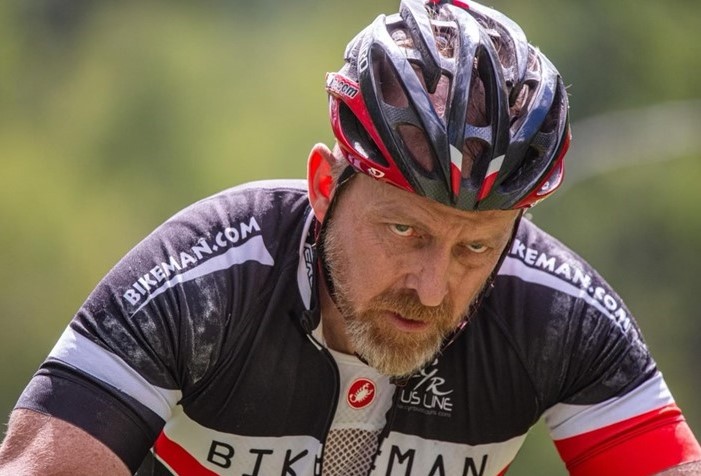
I’m generally a very open person—if someone asks me something, I’ll usually answer honestly. One thing that surprises people is that in my late twenties and thirties, I competed at a semi-professional level in mountain bike racing. Not many people know that side of me.
Thanks, Craig!