

Consider your typical ED for a moment. Chances are, it’s rushed, urgent, and a little chaotic. If it’s operating in a rural or Tribal community, you can add another trait to the list: staff shortages. Precisely, behavioral health shortages – which directly impact patient and staff safety. But there’s a middle road that is transforming behavioral health in rural areas: telepsychiatry.
When psych evals aren’t available in the ED
When psych patients arrive at the ED and there’s no immediate behavioral healthcare available, a few dynamics can result:
- Psych boarders. When qualified staff aren’t available, patients can spend days in an ED bed, waiting for a psychiatric evaluation. The delays can narrow patient capacity and slow down the ED, while staff search for ways to connect patients to the right level of psychiatric care.
- At-risk staff. An ED team that expertly handles medical emergencies may not always know how to handle a patient with complex psychiatric needs. Without a behavioral health expert on staff, it can be hard to make safe and compliant discharge or admission decisions.
- Patient distrust. In behavioral health, trust is everything. But psych patients can feel disconnected and overlooked by busy staff in hectic emergency departments. Trapped for days or weeks in bright-lit, noisy ED cubicles, they may worry about being spotted by other visitors and patients.
- Arrests and records. While this might sound unbelievable, patients in some Tribal communities who attempt suicide have been arrested. Why? Because there’s no place to keep them safe and supervised other than a jail cell. Often their records are expunged after a certain amount of time, but the mere possibility of jail or an arrest record can stop families from seeking help for a loved one.
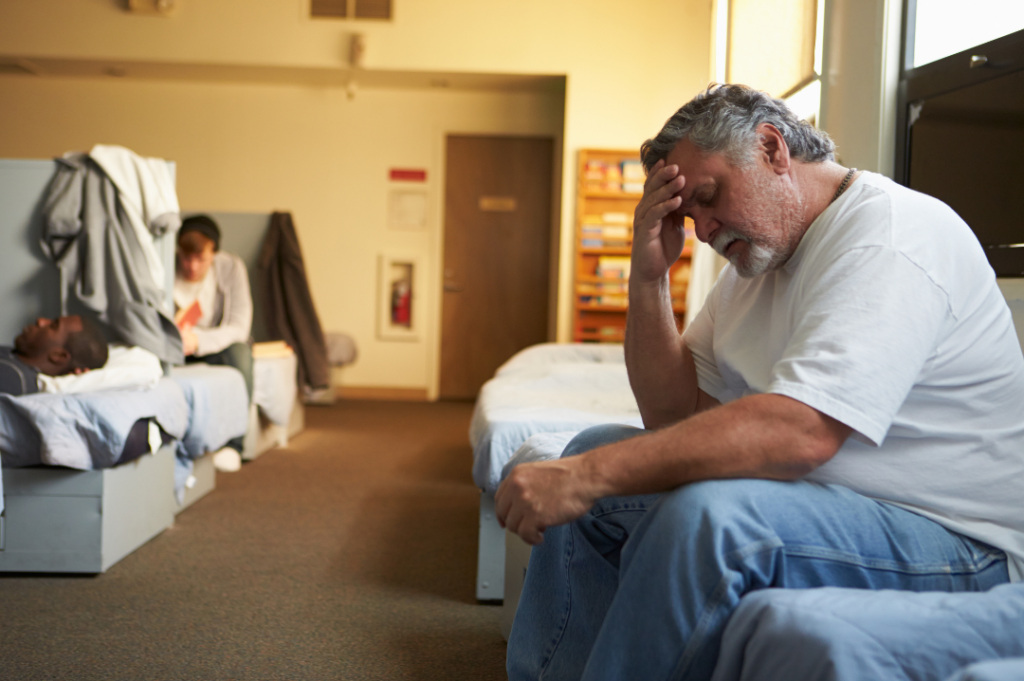
Patients in rural and Tribal communities have the same mental health needs as anyone else, and sometimes more. Estimates suggest that about 13% of Native Americans need alcohol or illicit drug use treatment, yet only about 3.5% actually receive any. Veterans, who are slightly overrepresented in rural areas, are at higher risk for mental health issues; it’s estimated that between 37 and 50 percent of Afghanistan and Iraq War veterans have been diagnosed with a mental disorder due to reintegration stresses, sleep disturbances, traumatic brain injury (TBI), post-traumatic stress disorder (PTSD), and depression.
But these communities, so often underfunded, can’t always afford full-time behavioral health professionals. And when they can, they often find it’s hard to attract them to rural areas. Consider that rural counties average about 3.7 psychiatrists per 100,000 residents, compared with roughly 14.7 per 100,000 in urban counties – a nearly four‑fold difference. Psychologists, psychiatric nurse practitioners, social workers, and counselors can be difficult to recruit and retain as well.
In short, this shortage won’t be solved anytime soon.

Why the ED is a safety net for psych patients
Before we look at solving the staffing shortage, we have to backtrack a bit and ask: why do so many psych patients show up in the ED anyhow?
The first reason: a lack of available, consistent care. Patients in rural and Tribal communities may lack continuous, preventative care and medication management due to travel barriers and geography. The lack of therapists, case managers, and psychiatrists can create months-long waiting lists for an appointment. When patients do locate a nearby provider, they may find their insurance isn’t accepted, particularly if they are on Medicaid. When an untreated manageable condition escalates into an acute crisis, the local ED becomes their default safety net.
Another reason explains not just why they arrive at the ED, but why they stay. Rural and Tribal communities aren’t just short on behavioral health professionals – they often lack 24/7 mental health urgent care centers or mobile crisis response teams, increasing the wait for inpatient psychiatric beds.
Finally, many patients experiencing a psychiatric emergency may also be going through acute substance withdrawal or experiencing a physical medical condition. They require an ED physician’s diagnosiss before they can be safely transferred to a psych facility.

So how does telepsychiatry fill behavioral health gaps?
On-call telepsychiatry services connect both patients and ED staff to top-tier mental health support where they live – with no travel or wait times.
Telepsych reduces no-shows by bringing care to patients’ homes. From the privacy of their living room, patients can connect with top-tier behavioral health providers – regardless of bad weather or lack of a vehicle.
ED teams benefit from a dedicated safety net. These ED providers can consult with Board-certified psychiatric experts, reducing discharge risk and liability.
Telepsych helps patients move on to the appropriate level of care. By triaging patients in real time, providers can assess and stabilize them instead of forcing them to wait hours for an evaluation – and free up beds for other emergencies.
Patients feel safer with discreet care. With virtual visits, patients don’t have to worry about gossip following a waiting room encounter. That confidentiality can encourage them to seek help earlier and continue treatment plans.

Tribal Health supports EDs with on-call telepsychiatry
Tribal Health’s on-demand telepsychiatry services come straight to your ED and into patient’s homes – but we offer a few advantages other telehealth services don’t.
One: Our Board-certified psychiatrists and psychiatric nurse practitioners are experienced in Indigenous and rural health. Not only can they assess and stabilize your patients in real time, those patients will feel understood during their ED experience.
Two: Our services are budget friendly. Our behavioral health team acts as an extension of your team – but you pay for services only when you need them. You don’t need to pay a full-time behavioral health salary for part-time demand; you pay only for each evaluation performed.
Three: Our Board-certified psychiatrists and psychiatric nurse practitioners provide a range of mental health services such as:
- Extensive therapy options, including Cognitive Behavioral Therapy
- Medical assisted treatment (MAT) for substance use disorders
- Psychiatric evaluation and medication management
Emergency departments are designed for rapid triage and the stabilization of acute physical trauma – not serving as a healing environment for a psych patient in crisis. Having run and managed EDs across the country, we know that better than anyone. And we know what ED teams need to perform their best while offering a comfortable patient experience.
If you want to learn more about how telepsychiatry can support your facility and your community, we’re here to help. Just reach out to together@tribalhealth.com. We’d love to hear about your challenges and talk through possible solutions.