
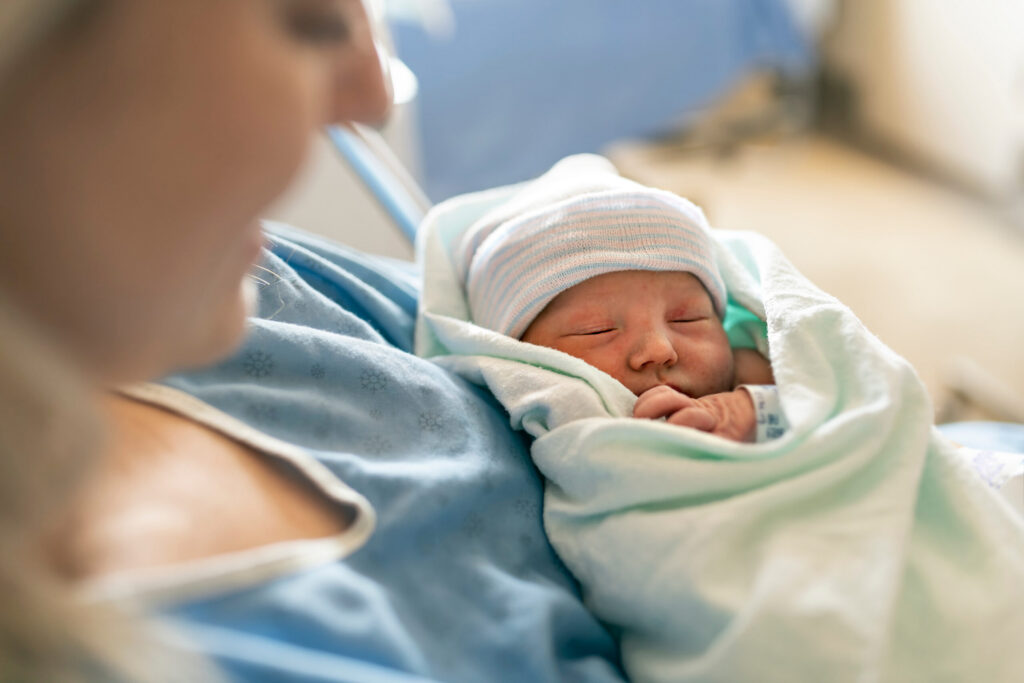
“Maternal mortality” – those aren’t two words you ever want to hear together. But together, they describe a sad reality in healthcare. In the US, this is especially true for rural counties, where maternity mortality rates are 1.6 times higher compared to larger counties. And Tribal nations? Native women have the highest rates in the country, including high preterm labor rates and obstetrical hemorrhage rates. And 93% of Native women’s pregnancy-related deaths are thought to be preventable.
That’s an infuriating statistic – but it also offers some hope. When we look at disparities in maternal and infant health, some obvious villains pop up: hospital closures, loss of Labor & Delivery (L&D) units, obstetric specialist shortages, substance use-related complications, and even malpractice challenges. Collectively, they impact women’s ability to access prenatal, delivery, and postpartum services.
Which means that solving those challenges can improve that access. And that’s exactly what Tribal Health is targeting with our new Moms and Minis Mobile Care™ program.

Moms & Minis Mobile Care™ – Improving Maternal and Infant Health
Our new mobile maternal program leverages mobile OB care, telehealth, home‑visit nursing, workforce development, policy support, and hospital partnerships. That might sound complicated, but the goal is simple: to bring high‑quality maternal and infant care to rural and Native communities—strengthening local hospitals, supporting families, and reducing preventable complications.
We’ll share a more detailed look in the weeks to come, but here’s a preview of the services we’re offering:
- A mobile OB unit rotation on scheduled clinic days
- Telehealth visits that can expand care without requiring additional clinical staff
- RN‑led community care supported by rotating midwives, WHNPs, and OB/GYN specialists
- Patient education focusing on prenatal care, newborn care, safe sleep, breastfeeding, and recovery
- Home visits for high‑risk or low‑mobility patients
- Strong care coordination, staffing support, and referrals with local hospitals
This goes beyond simply delivering women’s health providers to underserved communities. Sometimes women can’t connect with the right providers in person – maybe because of the weather or a car breaking down, maybe because of staff shortages or childcare barriers. Telehealth can cover prenatal services, postpartum mental‑health support, telelactation help, counseling for substance use-affected mothers, and much more.

Another important part of our program: workforce development and staffing. Small hospitals can lose Labor & Delivery (L&D) services if they can’t meet minimum staffing levels or ensure around-the-clock OB coverage. We can step in and cover those gaps – and we help maternity units thrive through a hospital-embedded staffing rotation model that stabilizes units and builds long-term capacity.
Safe staffing levels are everything, whether you’re talking about keeping rural hospital doors open or supporting new nurses through on-site mentorship.
Training Rural Nurses to Become L&D‑Ready
For years now, Tribal Health has provided on-site clinical training at facilities across the country. There’s high demand in rural and remote areas, because the facility staff just don’t have time to travel to a training program in a distant city. We’ll bring maternal health training to facilities for exactly that reason – building local nursing capacity while improving outcomes for mothers and babies.
Our program will offer:
• Side‑by‑side clinical training with experienced L&D nurses
• Didactic instruction using evidence‑based curricula
• ALSO (Advanced Life Support in Obstetrics) certification
• Neonatal Resuscitation Program certification
• Stable training for newborn care
• Fetal heart monitoring courses through AWHONN or ACOG
• Competency‑based training for triage, labor support, postpartum recovery, and newborn care
• Skills labs and simulation events held during mobile clinic or hospital rotation days
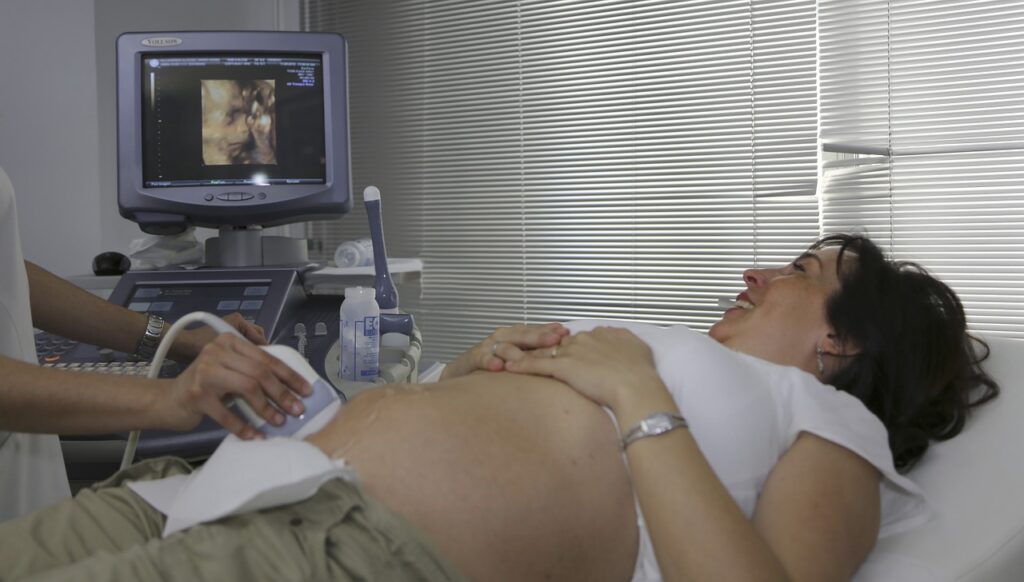
The final objective: to ensure rural hospitals have a partially or fully L&D‑trained nursing workforce capable of supporting deliveries locally and reducing staffing shortages.
It’s a step toward the world we all want – a world of fewer birth complications and maternity care deserts, a world of well-trained nurses, and strong and stable rural hospitals. A world where newborns receive the best medical care possible to start them off on a safe and promising life. These challenges are entrenched across the US and we know that solving them will be a collaborative effort. Our Moms & Minis Mobile Care™ program is designed to offer that kind of support – and if you think it might offer value for your community, we’d love to talk. Just reach out to us at together@tribalhealth.com.
